
Home › Destinations › Rome
ITALY · EUROPE
Rome
Plan Rome by neighborhood and walking distance, with practical guidance on where to stay, what to see, transport and how to structure a first visit.
BOOKINGSBEACON EDITORIAL GUIDE
Know the place before you compare the stay.
Rome rewards travelers who balance proximity to historic sights with neighborhood atmosphere. Much of the center is best explored on foot, but hotel location still affects how often you need buses, taxis or metro connections.
01
Choose Rome for walkability, not only for a view
Rome rewards travelers who stay close to the areas they expect to explore most. Centro Storico, Monti and Prati create very different daily routines even though they are all central enough for first-time sightseeing.
For short stays, walking distance to your top two or three zones can matter more than a lower room price farther out.
02
Centro Storico, Monti or Prati?
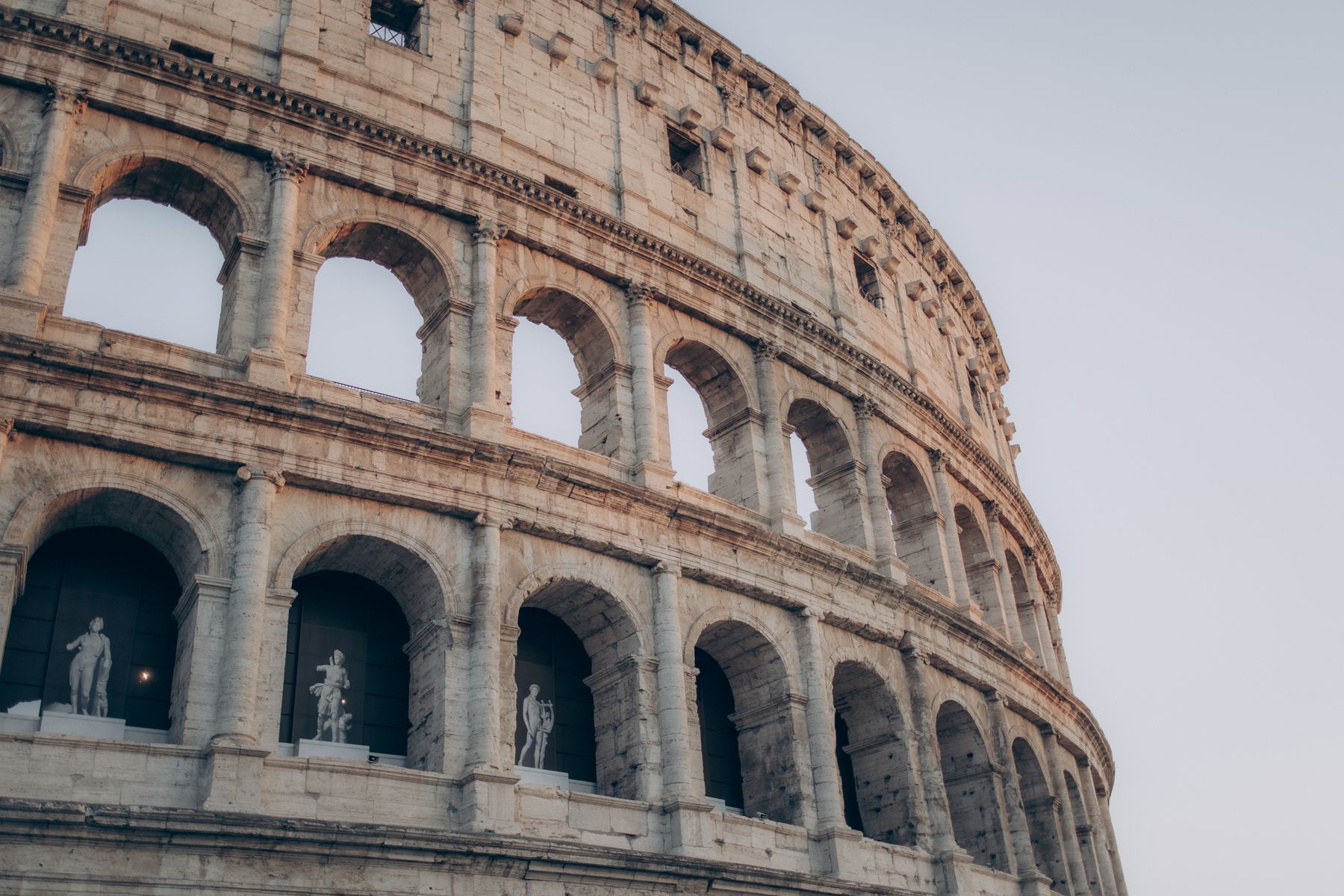
Centro Storico is the strongest choice for classic fountains, squares and evening walks. Monti is practical for the Colosseum and has a neighborhood restaurant scene, while Prati works well for Vatican-focused trips and a more residential atmosphere.
There is no single best area; choose the one that reduces repeated cross-city travel.
03
Things to do on a first Rome trip
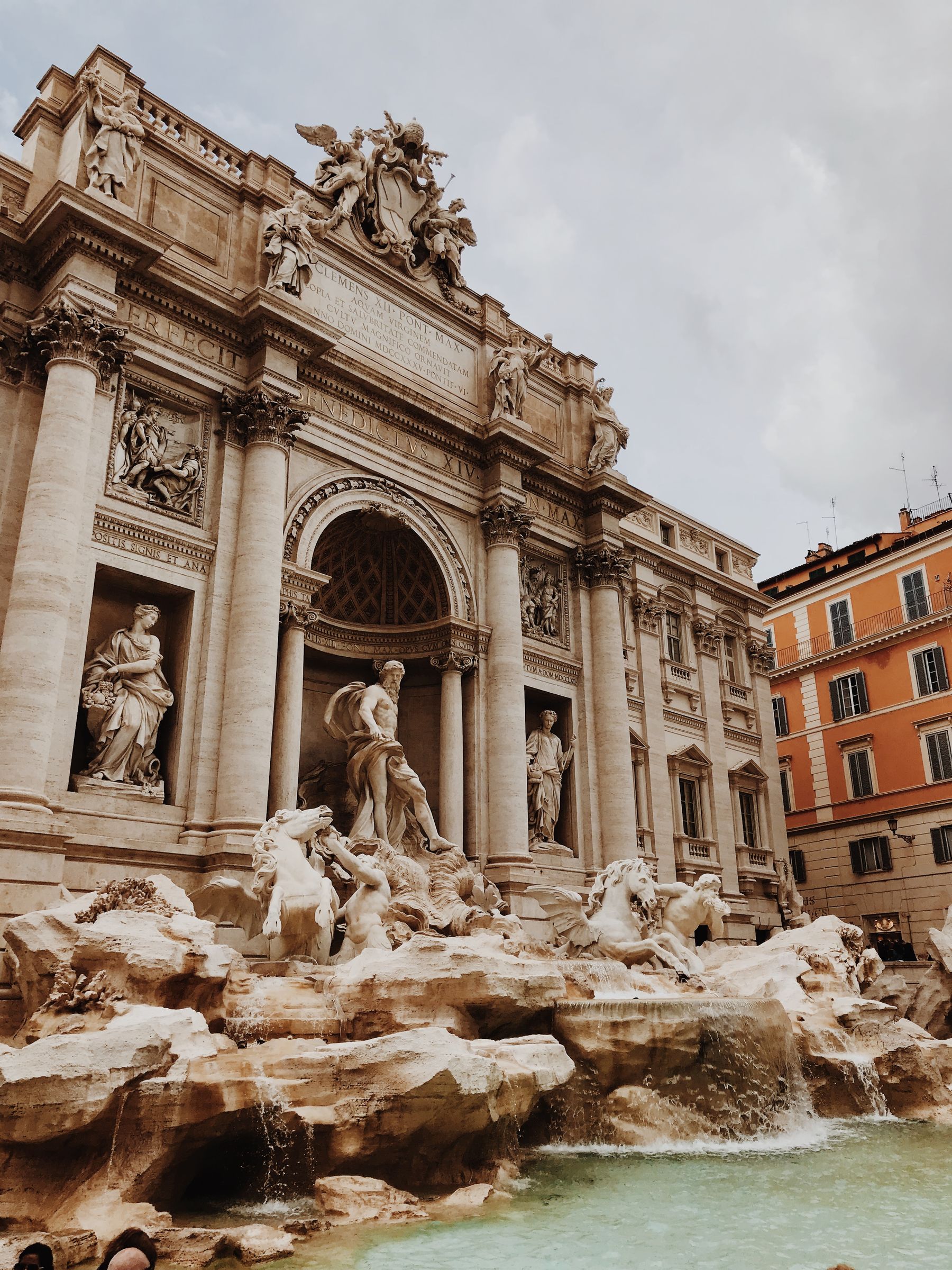
A first visit usually combines the Colosseum and Roman Forum area, Trevi Fountain, Pantheon, major piazzas and Vatican-related sights depending on interests.
Rome’s official tourism portal highlights both ancient monuments and the city’s streets, fountains and river, which is a good reminder not to treat the trip as only a museum checklist.
04
Getting around Rome
Much of the historic center is best explored on foot. Metro and buses help with longer journeys, while taxis can be useful for luggage or areas not directly served by rail.
Comfortable shoes matter because distances add up and many streets are uneven.
05
Plan major attractions carefully
Timed-entry attractions and busy historic sites are easier to manage when booked around realistic travel time. Avoid scheduling multiple high-demand monuments back-to-back across different parts of the city.
Leave slower meal and evening time in the itinerary; Rome is as much about street life as landmarks.
06
Best time to visit
Spring and autumn are popular for walking. Midsummer can be very hot and busy around exposed archaeological areas.
Winter is cooler and can be quieter outside holiday periods, making indoor attractions and food-focused trips appealing.
07
How long to stay
Three to four days is a useful first-trip range for major ancient sites, central Rome and Vatican-related plans.
More time makes it easier to add slower neighborhoods, museums or a day trip without compressing the itinerary.
08
Compare the full stay, not only the nightly rate
Historic buildings can have small elevators, stairs and irregular room layouts. Compare accessibility, air-conditioning, breakfast, cancellation terms and walking distance together with price.
BookingsBeacon should connect this guide directly to Rome hotels, flights, activities and neighborhood guides.
Where to stay in Rome
Centro Storico for walking to classic sights
Monti for restaurants and Colosseum access
Prati for Vatican proximity and a more residential feel
QUICK ANSWERS
Rome FAQ
Which area is best for a first Rome trip?
Centro Storico is strong for maximum walkability, Monti for Colosseum access and Prati for Vatican proximity.
Is Rome walkable?
Yes, especially in the historic center, though metro, buses and taxis help with longer distances.
How many days should I spend in Rome?
Three to four days works well for a first visit.
Which airport serves Rome?
Fiumicino (FCO) is the main international airport, with Ciampino (CIA) also serving the city.
Do I need to book major attractions in advance?
For high-demand sights and timed-entry attractions, advance planning can reduce uncertainty during busy periods.
EDITORIAL SOURCES
Useful official and image references
BookingsBeacon uses destination-specific sources and licensed imagery instead of generic travel photos.
PLAN & BOOK
Turn the guide into your trip.
Once you know the right area and trip style, compare the travel services that matter for Rome.