
Home › Destinations › Tokyo
JAPAN · ASIA
Tokyo
Plan Tokyo by neighborhood, transport and trip style, with practical guidance on where to stay, what to see and how to balance iconic sights, food and modern city experiences.
BOOKINGSBEACON EDITORIAL GUIDE
Know the place before you compare the stay.
Tokyo is a network of major districts connected by excellent rail and metro systems. Choosing a hotel near a useful station can be more important than choosing the geographic center of the city.
01
Choose the right Tokyo area before choosing the hotel
Tokyo is easier to plan when you treat it as a collection of major districts rather than one compact center. Shinjuku, Shibuya, Ginza and Asakusa offer very different surroundings, evening atmospheres and transport patterns.
For a short first trip, a hotel close to a useful rail or subway station can save more time than a cheaper room in a less convenient area.
02
Shinjuku, Shibuya, Ginza or Asakusa?
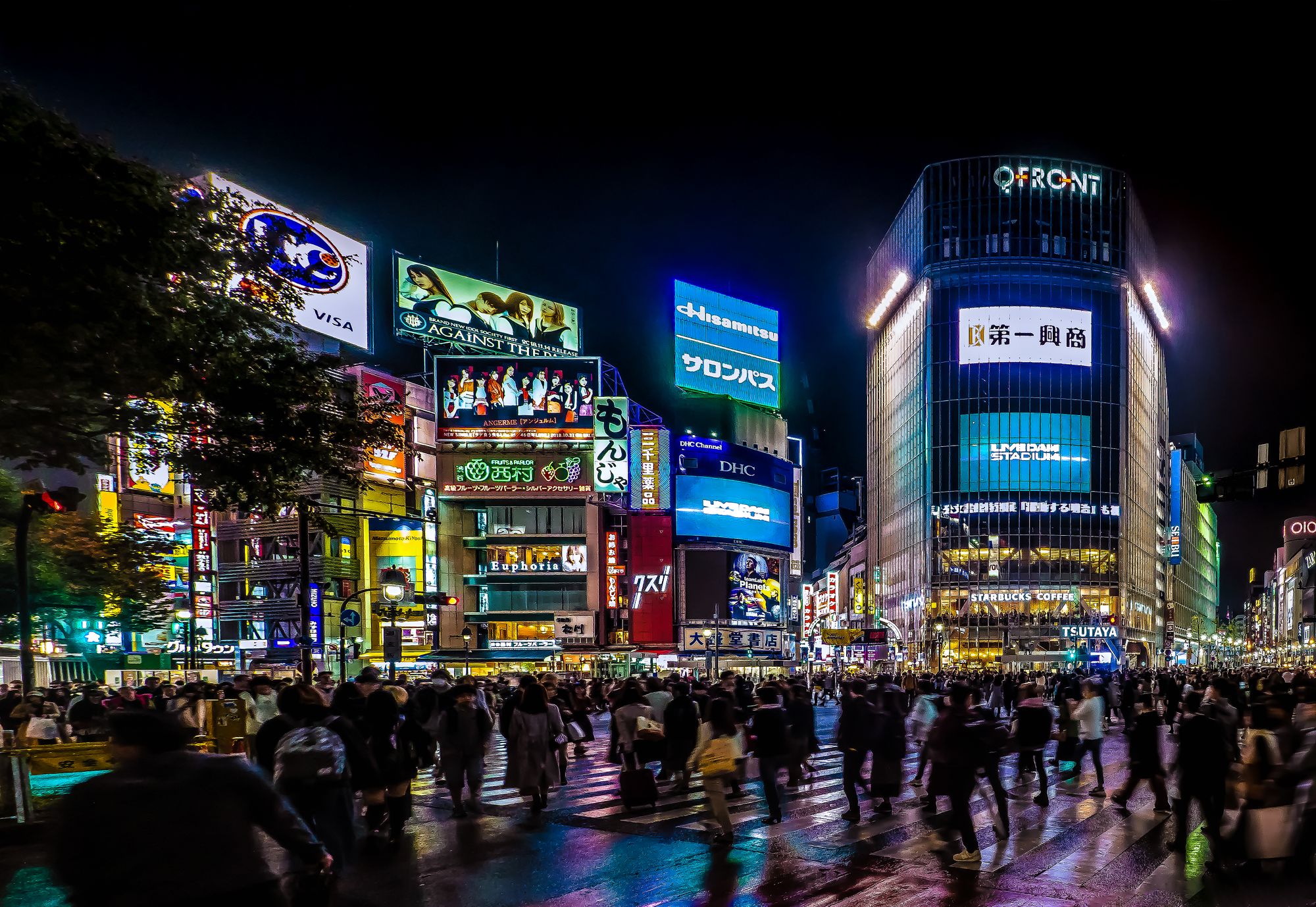
Shinjuku is strong for transport and big-city energy. Shibuya suits travelers who want nightlife, shopping and a younger urban atmosphere. Ginza feels more polished and premium, while Asakusa gives a more traditional first impression with easy access to historic sights.
GO TOKYO organizes the city by areas such as Shinjuku, Shibuya, Ginza and Asakusa, which is a useful way to structure a first stay.
03
Things to do on a first Tokyo trip
A balanced first visit usually combines modern neighborhoods, a traditional district, one observation experience, local food and some unscheduled neighborhood walking.
Tokyo works best when you mix famous sights with smaller streets, cafés, department stores, markets and evening districts instead of building the trip around a long checklist.
04
Getting around Tokyo
Tokyo’s public transport network includes JR trains, subway lines, local railways, buses and taxis. IC cards and travel passes can simplify everyday journeys.
Check the nearest station before booking a hotel and look at direct routes to the neighborhoods you expect to visit most often.
05
Food is part of the destination
Tokyo’s food experience goes far beyond one famous dish. JNTO highlights specialties including Edomae sushi, monjayaki and Tokyo shamo.
Leave time for neighborhood restaurants, department-store food halls and spontaneous meals rather than booking every hour around attractions.
06
Best time to visit
Spring is famous for blossom season, summer brings major events and fireworks, autumn offers cooler temperatures and fall color, and winter adds illuminations and a different city atmosphere.
The best season depends on your priorities, but comfortable walking weather can make a large difference in a city where many days involve long distances on foot.
07
How long to stay
Four to five days is a useful first-trip range for several major neighborhoods without making every day feel rushed.
With six days or more, travelers can slow the pace, revisit favorite areas or add a day trip without sacrificing Tokyo itself.
08
Compare the full stay, not only the room rate
Compare station access, room size, view, breakfast, cancellation terms, neighborhood atmosphere and airport connections before judging value.
BookingsBeacon should connect this guide directly to Tokyo hotels, flights, activities and related area guides so travelers can move from planning to booking smoothly.
Where to stay in Tokyo
Shinjuku for transport and nightlife
Shibuya for shopping and city energy
Asakusa for a more traditional atmosphere
QUICK ANSWERS
Tokyo FAQ
Which Tokyo area is best for a first visit?
Shinjuku and Shibuya are practical for many first-time travelers, while Ginza is more premium and Asakusa offers a more traditional atmosphere.
How many days should I spend in Tokyo?
Four to five days is a useful first-trip range.
Is Tokyo easy to explore without a car?
Yes. Public transport is extensive, and central visitors generally do not need to rent a car.
Which airports serve Tokyo?
Haneda and Narita are the two main international gateways.
Should I change hotels during a first Tokyo trip?
Usually not. One well-connected base is enough for most first visits.
EDITORIAL SOURCES
Useful official and image references
BookingsBeacon uses destination-specific sources and licensed imagery instead of generic travel photos.
PLAN & BOOK
Turn the guide into your trip.
Once you know the right area and trip style, compare the travel services that matter for Tokyo.